T-Shirt Design Surfing Beach Adventure Review
As an embroidery digitizer and product reviewer, I approach every new graphic with a specific question: will this actually stitch out well, or is it just a pretty picture? When evaluating the T-shirt Design Surfing Beach Adventure, my first impression was that it captures a vibrant, energetic mood perfect for summer merchandise. The vector illustration style suggests clean lines and bold shapes, which is generally a positive indicator for digitizing. However, translating a colorful print-ready graphic into a tangible machine embroidery design requires careful consideration of stitch types, fabric behavior, and end-use durability. This review breaks down how this specific artwork performs when moved from screen to hoop.
First Impressions and Digitizing Potential
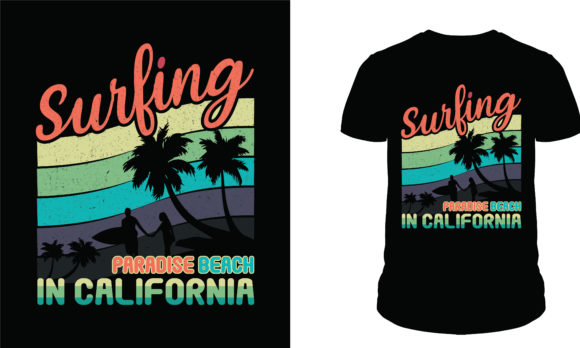
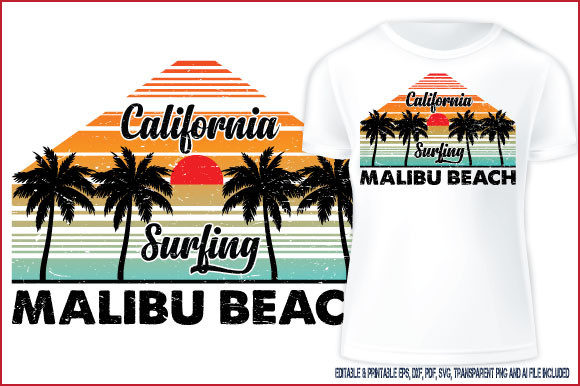
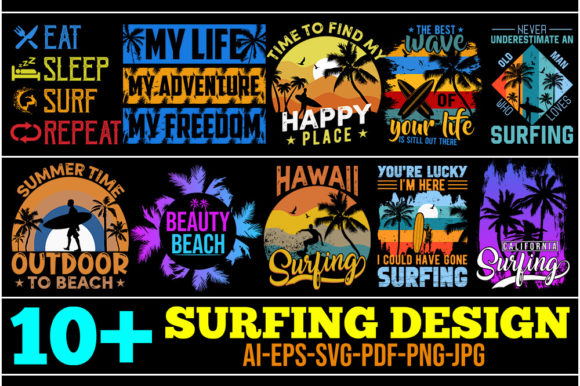
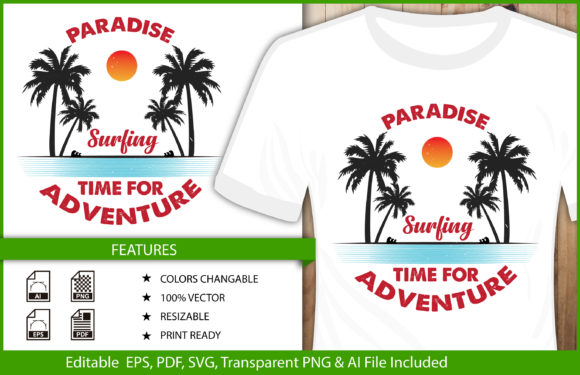
The visual personality of T-shirt Design Surfing Beach Adventure leans heavily into retro surf culture and tropical aesthetics. For an embroiderer, this theme is gold because it relies on distinct color blocking rather than subtle gradients. When I look at this embroidery file candidate, I am immediately assessing whether the "colorful design" mentioned in the product description can be achieved through thread rather than ink. Vector illustrations are typically superior for embroidery because they define clear boundaries for satin stitch borders and fill stitch areas. If the original artwork has too much shading or watercolor effects, digitizing becomes a nightmare. Fortunately, this design appears structured enough to support a clean stitch-out, provided the digitizer respects the hierarchy of elements.
The layout seems balanced for center-chest placement on apparel or as a standalone motif for accessories. It does not feel cluttered, which is crucial. Overly complex designs often lead to registration issues where outlines do not meet fill areas perfectly. With T-shirt Design Surfing Beach Adventure, the separation of elements likely allows for better stabilization and less puckering, assuming appropriate stitch density settings are applied during the digitizing process.
Real-World Application: Stitching a Canvas Tote Bag
To truly judge this asset, I mentally walked through a recent project: creating a line of beach-themed canvas tote bags for a local boutique. Canvas is unforgiving; it shows every needle penetration and demands robust stabilization. I envisioned placing T-shirt Design Surfing Beach Adventure on the front panel of a natural cotton tote.
In this scenario, the design’s bold graphics would serve as an excellent applique design foundation. Instead of stitching out massive blocks of color, which adds unnecessary weight and stiffness to a bag, I would use the vector shapes as cutting guides for fabric applique. This reduces stitch count significantly while maintaining the vibrant impact of the original illustration. For the finer details, such as wave crests or board stripes, a combination of running stitch and narrow satin columns would provide definition without overwhelming the textured fabric. The result is a professional tote bag design that feels handmade yet polished, avoiding the "bulletproof vest" texture that dense embroidery can sometimes create on heavy goods.
Versatility Across Products and Fabrics
Beyond tote bags, this graphic holds significant promise for various custom apparel and lifestyle products. Its versatility stems from its thematic clarity. Here is how I see it performing across different categories:
- Sweatshirt Embroidery: On fleece or French terry, the design needs breathing room. The loft of the fabric can swallow thin lines. I would recommend increasing column widths by 10-15% to ensure the surfing motifs remain visible after washing.
- Baby Embroidery: While the theme is fun, safety and comfort are paramount. For onesies or bibs, the design must be resized carefully. Tiny details should be simplified or removed entirely to prevent scratchy backs against sensitive skin. Always verify the final size fits within safe zones away from seams.
- Embroidered Patches: This illustration is ideal for patch making. The distinct shapes translate beautifully to merrowed edges or hot-cut borders. A patch version allows you to sell the motif as an add-on product for denim jackets or backpacks without committing to full garment decoration.
- Holiday Embroidery: Summer holidays and vacation rentals are prime markets. This design works exceptionally well for welcome mats, pillow covers, or kitchen towels in Airbnb units, reinforcing a coastal brand identity.
For Etsy sellers and small shop owners, having a versatile asset like T-shirt Design Surfing Beach Adventure means one purchase can yield multiple SKU variations, maximizing ROI on your design assets.
Critical Considerations for Successful Stitch-Outs
Despite its strengths, there are scenarios where caution is necessary. Not every fabric or product type plays nicely with detailed vector art. When planning your embroidery project, keep these limitations in mind:
Fabric Texture and Stability
If you intend to use this on highly textured fabrics like terry cloth or pique knit, fine details may get lost. You must use a water-soluble topping to hold the stitches above the pile. Conversely, on thin or stretchy performance fabrics, the density of a colorful beach scene could cause distortion. In these cases, consider using the design as a smaller chest logo rather than a large back print, or opt for a lighter density redraw specifically for knits.
Small Hoop Sizes and Detail Loss
Scaling down T-shirt Design Surfing Beach Adventure for a 4x4 hoop or cap frame requires aggressive editing. Text elements, if present, often become illegible below certain sizes. Never simply shrink the file; you must manually adjust stitch parameters. Small lettering should be converted to running stitch or removed. Detailed corners in waves or surfboards may need to be softened to prevent needle breaks or thread bunching in tight spaces.
Color Contrast and Thread Selection
The "colorful design" aspect relies on contrast. If stitching on dark navy fabric, ensure your thread colors pop. Pastel threads on dark backgrounds often look muddy unless underlaid with white. Test your thread colors against the actual garment fabric before running a production batch. Remember that rayon and polyester reflect light differently; what looks good in software might look flat in reality.
Professional Designer Notes for Makers
Before listing any finished product derived from this graphic, adhere to these professional best practices to ensure quality and compliance:
- Test on Scrap Fabric First: Never assume default settings work. Run a test stitch-out on the exact material you plan to sell. Check for puckering, registration errors, and stabilizer adequacy.
- Verify Licensing Terms: Since this is marketed as a print-ready vector for POD, confirm whether the license extends to physical embroidery for commercial sale. Some licenses cover digital printing but restrict embroidered merchandise. Protect your craft business by reading the fine print.
- Check File Compatibility: Ensure the digital embroidery file format matches your machine. If converting from a generic format like DST or PES, re-check stitch order and trims, as conversions often lose optimization data.
- Create Printable Mockups: Before investing in inventory, use high-quality mockups to gauge customer interest. However, always note that the mockup is a digital representation. Real embroidery has texture and sheen that pixels cannot replicate. Managing expectations builds trust.
- Assess Washability: Beach gear gets washed frequently. Ensure your stabilizer choice supports long-term wear. Cut-away stabilizers are generally superior to tear-away for garments that will face saltwater, sunscreen, and repeated laundering.
Final Thoughts on Value and Presentation
T-shirt Design Surfing Beach Adventure offers a strong foundation for summer-themed embroidery businesses. Its vector nature suggests digitizing potential, and its aesthetic appeals to a broad demographic seeking vacation vibes. However, success lies not in the file itself, but in your execution. By respecting fabric limitations, adjusting for scale, and verifying commercial rights, you transform a simple graphic into a high-value personalized gift or retail product.
Whether you are creating commercial embroidery for a resort gift shop or curating a unique collection for your online store, treat this design as a starting point. Your expertise in stabilization, thread selection, and finishing is what ultimately determines the perceived value. Use this review as a checklist to ensure your next surfing adventure in the hoop is as smooth as the waves depicted in the art.