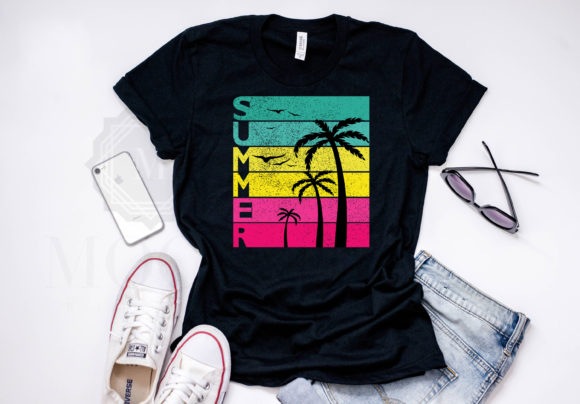
Summer Tshirt Template: A Designer’s Stitch Test
When I first opened the Summer Tshirt Template, I wasn't just looking for a pretty graphic; I was evaluating its structural integrity for needle and thread. As an experienced designer who bridges the gap between digital graphics and physical embroidery, my immediate concern is always translation. A vector file might look flawless on a screen, but will it survive the tension of a hoop? This template promises versatility across T-shirts, mugs, bags, and poster cards, and while the included EPS vector format is excellent for print-ready projects, my review focuses specifically on its viability as a foundation for machine embroidery design.
First Impressions: Visual Mood and Structural Potential
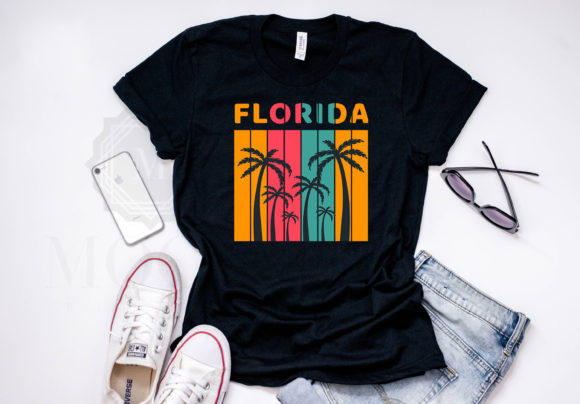
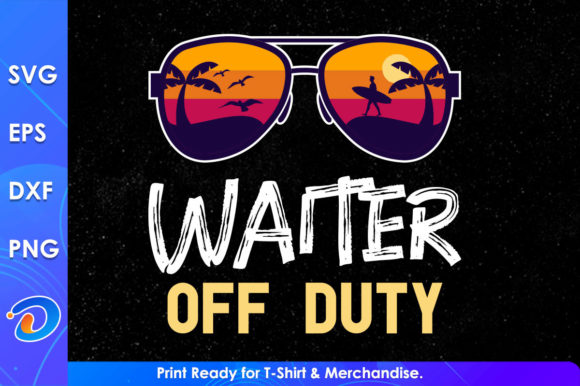
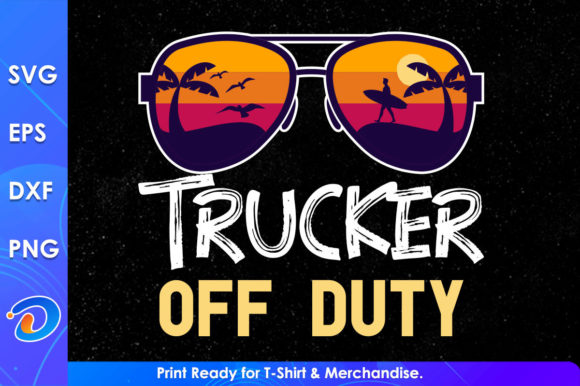
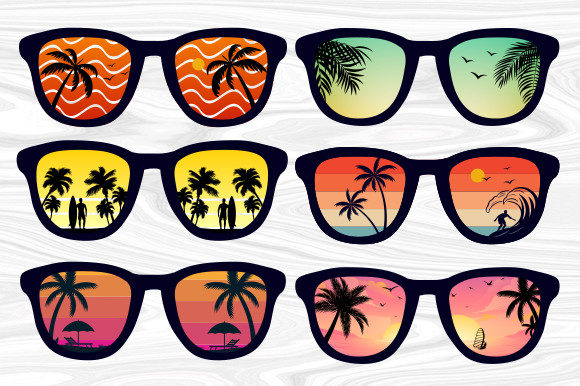
The Summer Tshirt Template carries a distinct seasonal energy that feels approachable rather than aggressive. In the realm of Crafts and Graphics, summer designs often fall into two traps: they are either too intricate for fabric or too simplistic to hold value. This template strikes a balanced middle ground. The layout suggests a design that understands negative space, which is critical when converting to stitch. Visually, it evokes warmth and leisure, making it an ideal candidate for custom apparel and personalized gifts where the recipient wants to feel relaxed, not overwhelmed by heavy decoration.
From a digitizing perspective, the shapes appear conducive to both satin stitch outlines and fill stitch interiors. The "easy to modify and change color" claim in the product description is accurate for the vector source, but for us embroiderers, this means the underlying geometry is likely clean. Clean lines in a vector file usually translate to fewer jump stitches and smoother pathing when you eventually digitize or adapt this template for your embroidery machine. It feels like a design created with production in mind, not just aesthetic appeal.
Real-World Application: The Custom Tote Bag Test
To truly judge this asset, I mentally placed it into a recent client project: a series of canvas tote bags for a local beach boutique. This is where the Summer Tshirt Template shines as a practical tool. Canvas is a textured fabric that can swallow fine details, so a design needs bold confidence. Because this template is vector-based, scaling it up for a 13x18cm tote bag area wouldn't result in pixelation or jagged edges during the digitizing process.
In this scenario, I envisioned using the template as a guide for an applique design. The solid color blocks inherent in the vector art map perfectly to fabric patches, reducing overall stitch density while adding tactile interest. For a small shop product or Etsy listing, this efficiency is gold. Lower stitch counts mean faster production times and less puckering on unstructured bags. Furthermore, the summer theme aligns perfectly with the end-use, ensuring the finished product feels cohesive. If I were selling this as a digital embroidery file or a physical handmade product, the template provides enough visual personality to justify a premium price point without requiring excessive embellishment.
Navigating Fabric Limitations and Hoop Constraints
However, no design is universal. While the Summer Tshirt Template is marketed for various surfaces, my experience dictates caution in specific areas. If you plan to use this for baby embroidery on stretchy knits, you must verify the detail level. Vector graphics can sometimes contain micro-details that look great at 10 inches wide but become indistinguishable blobs at 2 inches. Always simplify small elements before stitching on onesies or lightweight tees.
Curved surfaces like caps present another challenge. Unless the template has been specifically optimized for cylindrical distortion, you may need to adjust the vertical spacing to compensate for the curve of the hat. Similarly, if you are working with dark fabrics, remember that the template’s original colors are merely suggestions. You will need to test thread colors against your specific garment shade. A bright yellow element in the vector file might disappear entirely on a cream sweatshirt unless you add a contrasting outline or shadow effect during digitizing.
I also advise checking stabilizer requirements early. If you adapt this template for a tea towel or linen napkin, the weave of the fabric demands a tear-away or wash-away backing to prevent distortion. The template’s versatility is a strength, but only if you respect the physics of the material you are stitching onto.
Elevating Brand Value and Customer Trust
For creative entrepreneurs and commercial embroidery businesses, consistency is currency. Using a high-quality base like the Summer Tshirt Template helps maintain brand recognition across different product lines. When customers see your work on a mug, a shirt, and a printable mockup, the visual continuity builds trust. This template serves as a reliable anchor for that consistency.
Moreover, the professional presentation of your finished product relies heavily on how well the design sits on the garment. Because this template offers clean vectors, it allows for precise alignment marks during digitizing. This means your center points are accurate, and your design doesn't drift. Nothing undermines the perceived value of a personalized gift or boutique item faster than crooked placement. Utilizing a structured template reduces human error in the layout phase, resulting in a polished final piece that encourages repeat business and positive reviews.
Essential Pre-Stitch Checklist for Makers
Before you load this design into your software or machine, run through this practical checklist to ensure success:
- Verify Licensing: Confirm whether your purchase includes rights for commercial embroidery or just personal use. The description mentions print-ready files, but digital embroidery file resale rights are often separate.
- Test on Scrap Fabric: Never stitch directly onto a sellable item first. Use a scrap of similar weight and texture to check tension and registration.
- Audit Stitch Density: Even though this is a vector template, once digitized, ensure the fill stitches aren't too dense for summer-weight fabrics to avoid bulletproof stiffness.
- Check Small Text Legibility: If the template includes typography, ensure letters are at least 6mm tall for satin stitch or converted to running stitch if smaller.
- Mockup Validation: Create a black and white printable mockup to test contrast. If the design reads well without color, it will stitch well.
- Color Fastness: Since this is a summer theme involving brights, ensure your chosen rayon or polyester threads are colorfast for frequent washing.
Final Thoughts on Versatility
The Summer Tshirt Template is more than just a seasonal graphic; it is a robust starting point for makers who understand the relationship between digital art and physical craft. Its vector nature offers the flexibility needed for everything from large-scale tote bag designs to subtle chest logos on polos. By treating this template as a blueprint rather than a finished destination, and by applying sound embroidery principles regarding stabilizer, density, and fabric choice, you can transform these digital assets into tangible, high-value products. Whether you are stocking an Etsy shop or fulfilling custom orders, this design asset holds up to professional scrutiny when applied with intention and care.