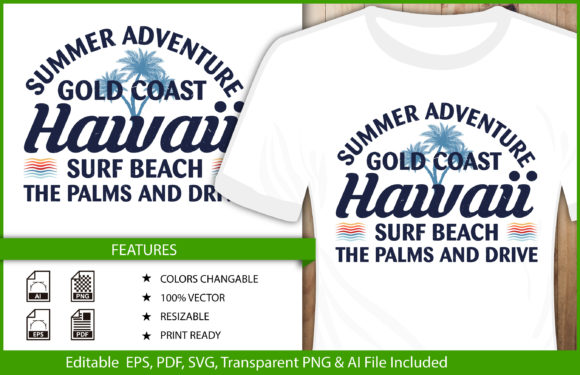
Summer Adventure Hawaii: An Embroidery Review
When evaluating a new graphic for stitch conversion, I look past the vibrant screen display and immediately visualize how the lines will translate into thread. The T-shirt Design Summer Adventure Hawaii initially presents as a breezy, nostalgic vector illustration that captures the essence of West Coast surf culture and tropical relaxation. However, as an experienced designer who regularly prepares assets for commercial embroidery and handmade goods, my primary concern is always technical viability. A beautiful vector on a monitor does not automatically guarantee a clean, professional stitch-out on fabric. This review breaks down the practical realities of using this specific artwork in real-world production scenarios, focusing on where it shines and where it requires careful adaptation.
First Impressions and Stitch Translation Potential
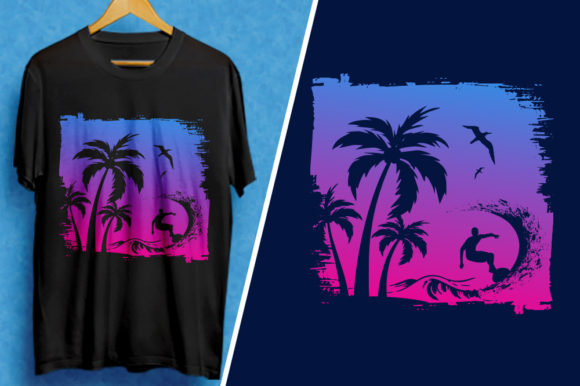
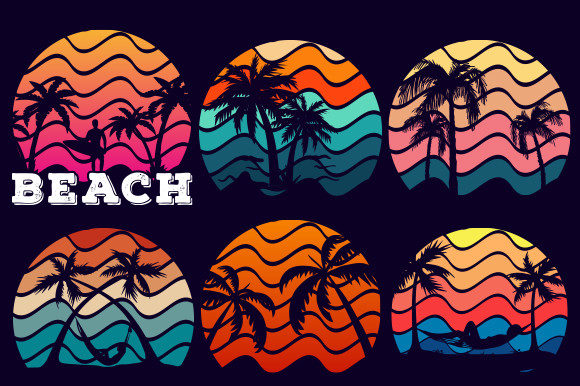
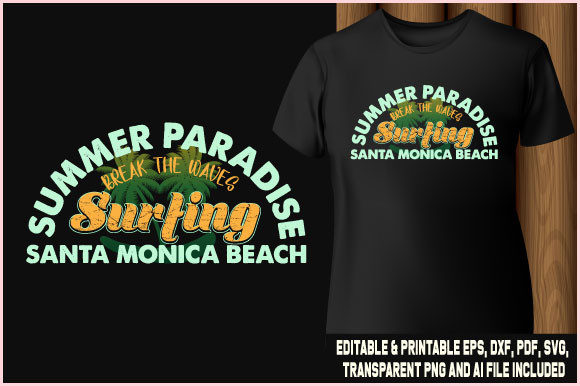
The visual personality of this design leans heavily into retro typography and scenic layering. It combines elements of the Gold Coast, Hawaiian palms, and California driving aesthetics into a cohesive badge-style layout. For an embroidery project, this composition is generally favorable because contained shapes tend to register better than sprawling, open layouts. The mood is undeniably upbeat and marketable, making it an attractive candidate for summer collections or vacation-themed merchandise.
However, the transition from digital art to machine embroidery design requires scrutiny of the detail level. Vector illustrations often feature gradients and fine lines that cannot be replicated with standard fill stitch or satin stitch techniques without significant modification. When I assess this graphic, I am looking at the negative space between the palm fronds and the legibility of the "Summer Adventure" lettering. If the font is too distressed or the palm details are too intricate, they risk becoming muddy blobs of thread on anything smaller than a full-back sweatshirt placement. The design has strong bones for a tote bag design or apron, but the complexity suggests it needs digitizing adjustments to maintain clarity.
Real-World Application: The Canvas Tote Test
To truly judge the utility of this asset, I mentally place it in a current production scenario. Recently, I prepared a line of beach-ready canvas tote bags for a boutique client. The T-shirt Design Summer Adventure Hawaii would be a top contender for this application. Canvas provides a stable foundation that handles moderate stitch density well, which is crucial if the design includes layered scenery or textured fills meant to mimic the vector shading.
In this context, the design serves as more than just decoration; it acts as a branding anchor. Customers buying handmade products for travel want instant recognition of the vibe. A well-executed version of this design on natural cotton canvas creates immediate perceived value. However, success here depends entirely on stabilizer choice and hoop tension. Because the design likely involves multiple color changes and potentially dense areas where the text overlaps the background scenery, using a cut-away stabilizer is non-negotiable to prevent puckering. If executed correctly, this becomes a high-margin item for any Etsy seller or small shop product lineup. If rushed without testing, the registration shifts could make the text unreadable against the busy background.
Navigating Fabric Limitations and Hoop Constraints
While the design excels on stable woven fabrics, caution is required when applying it to stretchy or delicate materials. As a graphics asset intended for apparel, you must consider the drape. Placing a dense, multi-element scene on a lightweight baby onesie or a thin rayon blouse is risky. The stitch count required to render the "Gold Coast" and "Hawaii" text alongside illustrative elements may outweigh the fabric's structural integrity, leading to sagging or distortion.
For custom apparel like t-shirts, I recommend testing the design on a scrap of similar weight fabric first. Check whether the design works better as an applique design rather than a full-fill embroidery file. Converting the larger solid shapes (like the sun or background blocks) to appliqué can drastically reduce stitch count and improve the hand-feel of the finished garment. This approach preserves the visual impact while making the shirt comfortable to wear.
Furthermore, pay close attention to hoop size limitations. This artwork appears optimized for adult-sized garments. Attempting to shrink it down for a cap or a pocket logo will likely result in lost details. Tiny lettering in script fonts often fails below 4mm height. If your goal is hat embroidery or baby embroidery, you may need to isolate specific elements—perhaps just the palm tree or the word "Adventure"—rather than forcing the entire complex scene into a small area.
Commercial Viability and Brand Consistency
For creative entrepreneurs and apparel decorators, consistency builds trust. Using T-shirt Design Summer Adventure Hawaii across multiple products requires ensuring the embroidery file maintains its integrity regardless of the substrate. A design that looks stunning on a white sweatshirt might disappear on a navy blue tee if the thread colors lack sufficient contrast. Always test black and white mockups before stitching to verify that the values hold up. Dark fabrics may require an underlay or lighter outline stitches to define the edges of the illustration.
This design also offers excellent potential for digital product sellers creating printable mockups. Before listing a physical embroidered patch or personalized gift, use the vector file to create realistic previews. However, ensure your marketing accurately represents what the stitched version will look like. Over-promising based on the pristine vector art can lead to customer disappointment if the actual embroidery simplifies those details. Transparency about the texture and dimensionality of the finished product enhances buyer engagement and reduces returns.
Critical Designer Notes for Production Success
Before loading this design into your machine or listing it in your shop, adhere to these practical checkpoints:
- Verify Licensing: Confirm whether the license permits commercial embroidery of finished products versus selling the digital embroidery file itself. These rights are rarely interchangeable.
- Analyze Stitch Density: Open the file in your digitizing software to check for overly dense areas. If the design was auto-digitized from the vector, manual editing is almost certainly required to prevent needle breaks and fabric damage.
- Test Thread Colors: Do not rely solely on the suggested palette. Physical thread sheen interacts differently with fabric texture than RGB pixels do. Variegated threads might enhance the "surf" aesthetic, whereas solid matte threads might flatten the design.
- Stabilizer Strategy: Match your stabilizer to the end-use. Use tear-away for towels and stable canvas, but switch to fusible cut-away for knits and performance wear to ensure the "Summer Adventure" text doesn't warp after washing.
- Detail Inspection: Zoom in to 100% view. Are the palm fronds distinct running stitches or messy fills? If the latter, simplify them. Clean lines read better from a distance than noisy texture.
Final Thoughts on Value and Presentation
The T-shirt Design Summer Adventure Hawaii holds significant promise for makers who treat it as a starting point rather than a final solution. Its strength lies in its evocative theme and versatile layout, which suits everything from holiday gifts to boutique branding. By respecting the technical constraints of machine embroidery and adapting the vector art to suit specific fabrics, you transform a simple graphic into a premium handmade product.
Ultimately, the value of this design is determined by your execution. A thoughtful approach to digitizing, stabilizing, and testing ensures that the nostalgia and excitement captured in the illustration survive the translation to thread. Whether you are crafting a personalized gift for a friend or scaling production for a craft business, taking the time to understand this design’s behavior on fabric will result in a superior finished product that customers are proud to wear and display.